Air purifier
Allergies, Dust & Pet Dander
The symptoms most people blame on pollen usually start inside the house. Here is how to tell what you are actually reacting to, and what changes it.
By Scooter M. · Published · Last updated
Most people who arrive here have already decided the problem is “allergies” and are shopping for an air purifier. That is right often enough to be worth doing, and wrong often enough that it is worth spending two minutes checking first - because two of the most common indoor triggers are barely affected by filtration at all.
Indoor allergy symptoms come from three broad sources. Airborne particles - pollen tracked in from outside, pet dander, fine dust - stay suspended and circulate, which is exactly what an air purifier is designed for. Dust mite allergen lives in bedding and upholstery and is comparatively heavy: it becomes airborne when disturbed and settles within minutes, so a filter rarely encounters it. And mold spores are airborne, but the growth producing them is a moisture problem that no filter addresses.
Those three want three different responses. A purifier for the first. Humidity control and bedding management for the second - the EPA lists dust mites among biological contaminants and advises keeping indoor relative humidity below 60%, ideally 30-50%. And finding the water for the third.
There is a fourth possibility worth ruling out before you spend anything: dry air. Winter congestion with static shocks and cracked lips is a moisture problem, and a purifier will do nothing for it. If that sounds like your pattern, start at Dry Air instead, or at which device do I need if you are unsure.
How this page is funded: the buy links below are affiliate links. If you buy through one, we earn a commission at no extra cost to you. It does not change the order of the picks or what we say about them. Full disclosure.
Everything in this section
All Allergies & Dust pages
Roundup tiles carry a live price and a buy link for their top pick, so you never have to dig for one.
Best for Allergies
Best Air Purifiers for Allergies
Allergy purifiers ranked on published CADR and running cost, with AHAM sizing first.
$154.98 - View on Amazon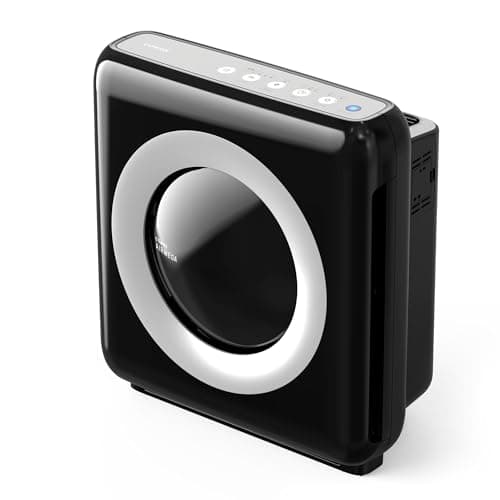 Top pick: Coway Airmega AP-1512HH Mighty
#ad Price as of October 18, 2026, from Amazon. Prices change. How we make money.
See the picks
Best for Pets
Best Air Purifiers for Pets
Pet purifiers ranked - why the pre-filter matters more than the HEPA stage.
$169.99 - View on Amazon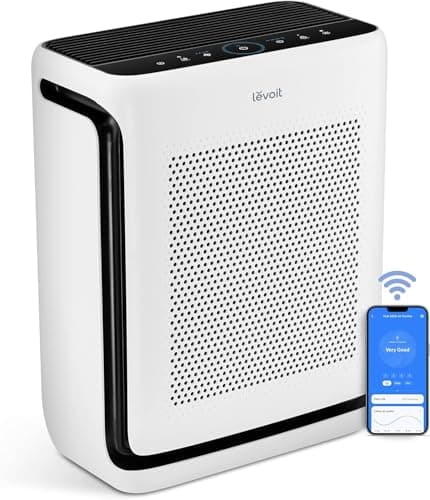 Top pick: Levoit Vital 200S
#ad Price as of October 18, 2026, from Amazon. Prices change. How we make money.
See the picks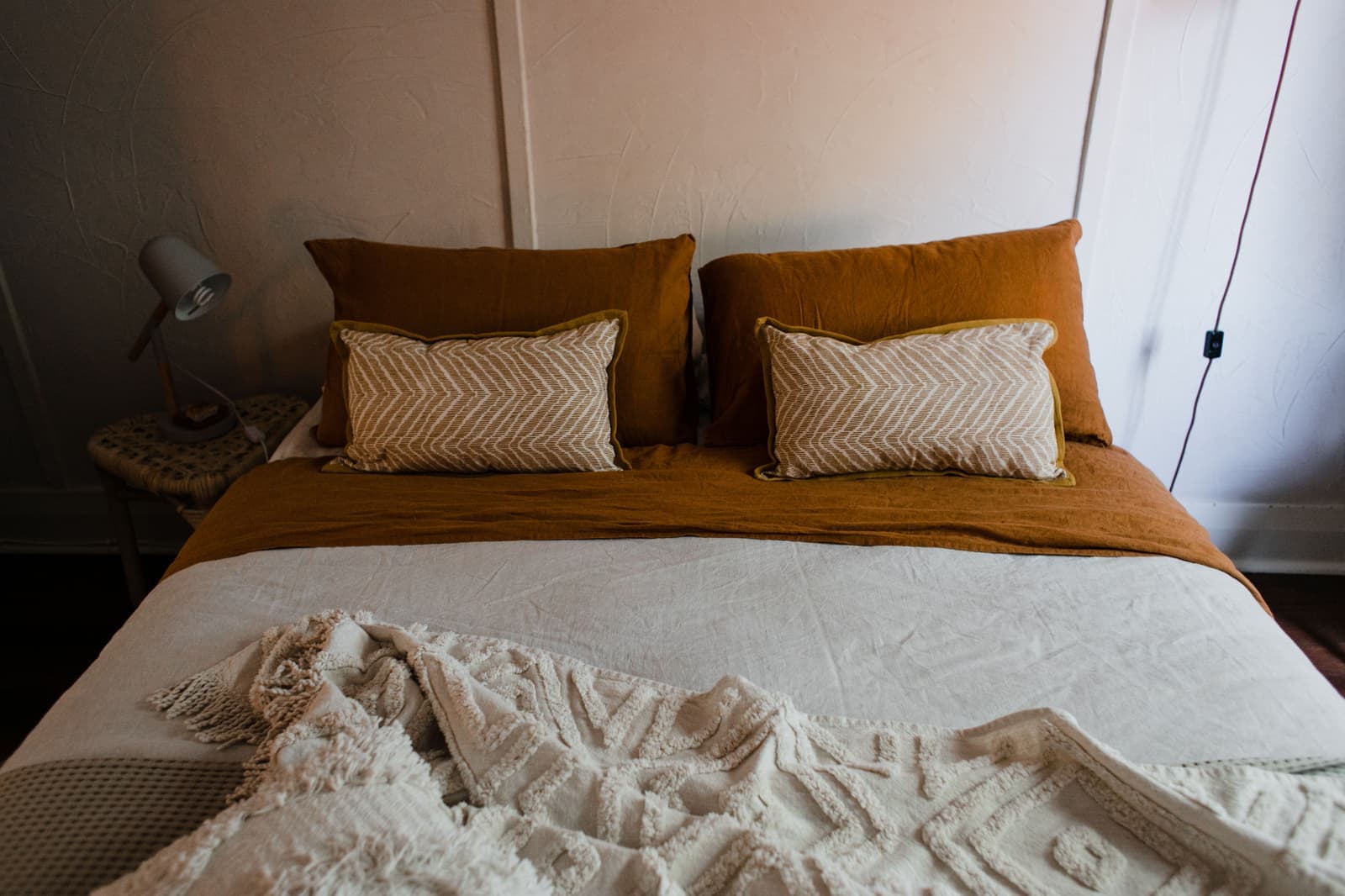
Best for Bedrooms
Best Air Purifiers for a Bedroom
Bedroom purifiers ranked on low-speed noise and power, with AHAM sizing above the picks.
Check price on AmazonTop pick: Levoit Core 300S#ad We do not hold a current price for this product, so we do not show one. How we make money.
See the pickscomparison
HEPA Filters Explained
True HEPA vs HEPA-type vs MERV: which labels are standards and which are marketing.
Read the guideguide
Do Air Purifiers Help With Dust?
The honest split: purifiers catch airborne dust and never touch settled dust.
Read the guide
symptom
Waking Up Congested
Three environmental causes of morning congestion and how to tell them apart.
Read the guideguide
Dust Mites in the Bedroom
Why humidity beats filtration for dust mites, and the bedding measures that work.
Read the guidecomparison
Whole House vs Portable Air Purifier
In-duct filtration vs portable units - coverage, cost, and the airflow caveat.
Read the guideguide
Air Purifiers for Baby Nurseries
Nursery-specific considerations for a purifier - sizing, noise, placement and where we defer.
Read the guide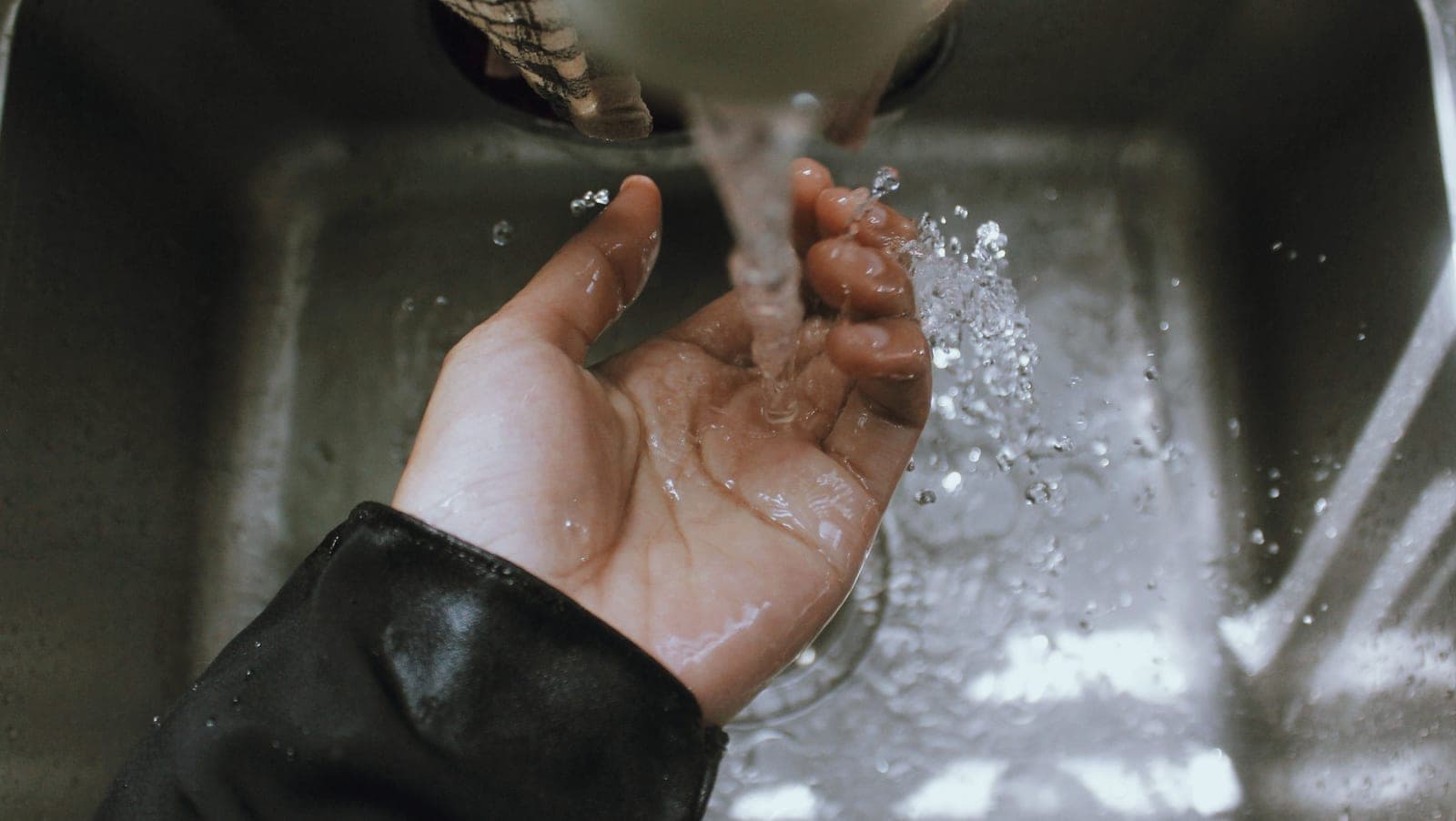
comparison
Washable vs Replaceable Filters
Which filter stages genuinely wash, which must be replaced, and how many parts a year each unit costs you.
Read the guideBest for Large Rooms
Best Air Purifiers for Large Rooms
Open-plan and living-room sizing, done on smoke CADR rather than the box claim.
$189.97 - View on Amazon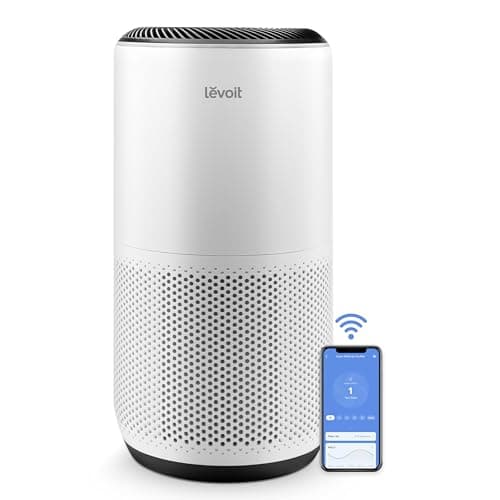 Top pick: Levoit Core 400S
#ad Price as of October 18, 2026, from Amazon. Prices change. How we make money.
See the picksreview
Levoit Core 400S Review
A specification-led review: what the 231 CFM covers, the yearly cost, and what is missing.
Read the guidecomparison
Levoit Core 400S vs Coway AP-1512HH
Near-identical CADR. The decider is per-speed wattage, which only one of them publishes.
Read the guidereview
Levoit Vital 200S Review
The highest CADR we carry, and why the washable pre-filter matters more than the number.
Read the guideguide
Are Air Purifiers Worth It?
The full three-year cost with filters and power, what the evidence supports, and when to buy nothing.
Read the guideBest Budget Pick
Best Cheap Air Purifiers
What falls away below $100: published CADR, true HEPA, and a carbon bed. How to spot each absence.
$80.74 - View on Amazon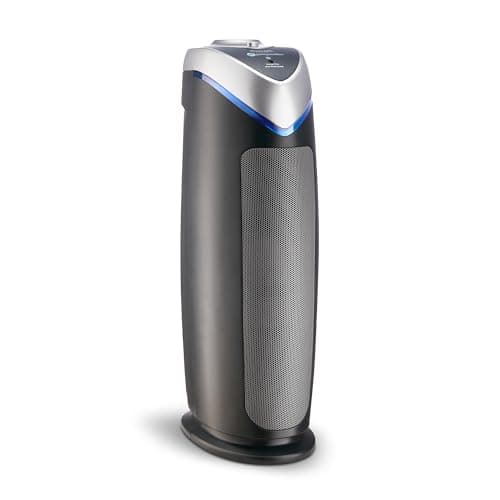 Top pick: GermGuardian AC4825E
#ad Price as of October 18, 2026, from Amazon. Prices change. How we make money.
See the picks
sizing
What Size Air Purifier Do I Need?
Floor area times two-thirds equals the smoke CADR you need. A table by room size, and the wildfire exception.
Read the guidecomparison
Levoit Core 400S vs Winix 5510
Near-identical on paper. The gap is certification: one publishes running cost and ozone, the other publishes neither.
Read the guideBest Levoit Pick
Best Levoit Air Purifiers
All ten certified Levoit purifiers ranked on clean air per watt - and why the Core 400S is not the answer.
$129.99 - View on Amazon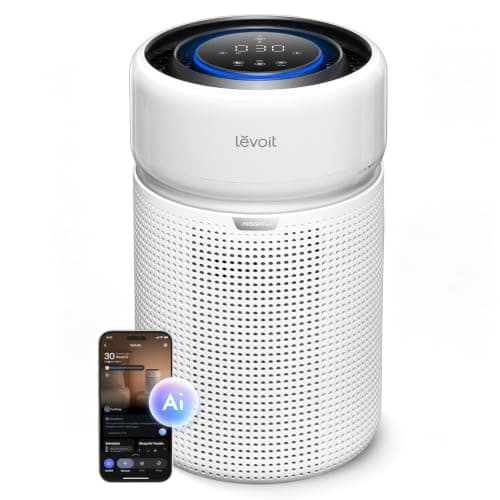 Top pick: Levoit Eleva 300X
#ad Price as of October 18, 2026, from Amazon. Prices change. How we make money.
See the pickscomparison
Levoit vs Blueair
Blueair wins on clean air per watt, Levoit wins on ozone - and both facts come from the same federal dataset.
Read the guideBest for Cat Allergies
Best Air Purifiers for Cat Allergies
Why Fel d 1 responds to filtration when dust mite allergen does not - and the units sized for it.
$189.97 - View on AmazonTop pick: Levoit Core 400S#ad Price as of October 18, 2026, from Amazon. Prices change. How we make money.
See the pickscomparison
Levoit vs Shark
The same 250 sq ft claim on two different bases - plus the one thing Shark genuinely does better.
Read the guideBest Blueair Pick
Best Blueair Air Purifiers
All twenty certified Blueair purifiers ranked on clean air per watt - and the ozone figure Blueair's own spec pages leave out.
$299.99 - View on Amazon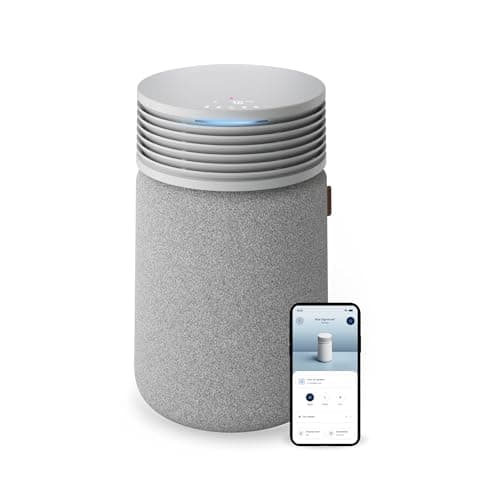 Top pick: Blueair Blue Signature SP3i
#ad Price as of October 18, 2026, from Amazon. Prices change. How we make money.
See the picksBest Zero-Ozone Pick
Best Air Purifiers for Asthma
Ranked on certified ozone first, CADR second. A zero-ozone option exists at every room size, so there is no reason to accept one that is not.
$129.99 - View on AmazonTop pick: Levoit Eleva 300X#ad Price as of October 18, 2026, from Amazon. Prices change. How we make money.
See the picksBest Coway Pick
Best Coway Air Purifiers
All 14 certified Coway purifiers ranked on clean air per watt - the only brand where every model is 0.00 ppb ozone.
$339.00 - View on Amazon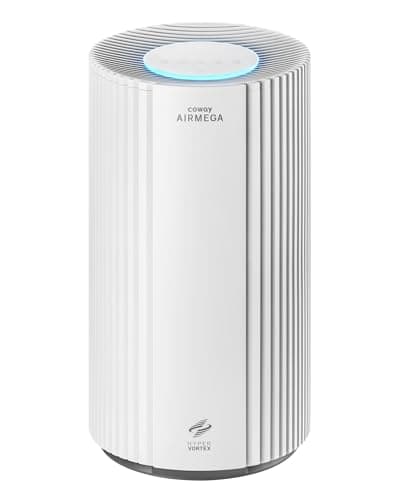 Top pick: Coway Airmega 350
#ad Price as of October 18, 2026, from Amazon. Prices change. How we make money.
See the picksBest for Dog Allergies
Best Air Purifiers for Dog Allergies
What the Can f 1 particle-size data supports, three picks sized to it, and why no dog breed measures as hypoallergenic.
$169.99 - View on AmazonTop pick: Levoit Vital 200S#ad Price as of October 18, 2026, from Amazon. Prices change. How we make money.
See the picksguide
Are Air Purifiers Safe for Pets?
Why a filter-only purifier is safe for pets, which stages are not, and the extra care birds need.
Read the guide
comparison
Do You Need a Smart Air Purifier?
Why the app is irrelevant, why auto mode is a spending decision, and when the dumb unit is the better buy.
Read the guide
What actually works here, honestly
If you take one thing from this section, take the sizing rule. AHAM’s guidance is to choose an air cleaner with a smoke CADR of roughly two-thirds the room’s area, and their published worked example is that a 200 sq ft room needs a smoke CADR of at least 132. An undersized unit in a large room is the single most common reason people conclude that air purifiers do not work - the machine was fine, the room was too big.
The second thing is that the coverage figure on the box is usually the flattering one. The Levoit Core 400S publishes 1,718 sq ft at one air change per hour and 358 sq ft at 4.8 air changes per hour. Both are true. Only the second one describes a rate at which a room stays clear, and manufacturers who publish a single number publish the first. That gap - a factor of nearly five - is not a rounding difference, it is the whole basis of most disappointed purchases in this category.
The third is running cost, which almost nobody publishes and which we compute for every product. At the current US average residential rate of 18.34 cents per kWh, twelve hours a day for a year costs $18 for a 23 W unit and $56 for a 70 W one. Over three years that difference frequently exceeds the price gap between the two machines at purchase, which means the cheaper unit on the shelf is sometimes the more expensive one to own.
What does not work, and we would rather say so
A purifier will not noticeably reduce how often you dust. Most visible surface dust is heavy enough to settle before a filter could have reached it. It will not do much for dust mite allergen, for the same reason. It will not fix mold, because mold is water. And it will not treat a room it is not in - air does not move meaningfully between closed doors, whatever the coverage claim implies.
The cheapest genuine improvement available to most households is not on this page at all: if you have forced-air heating, change the furnace filter. It treats every room the ducts reach, it costs a few dollars, and it is very often overdue.
Where a purifier genuinely earns its money is a bedroom with a measured humidity inside the 30-50% band, a pet or an outdoor pollen source, and a unit sized with margin so it can run on its quietest setting. That is a narrow recommendation, and it is a real one.