Humidifier
Dry Air & Winter Dryness
Cold air holds very little moisture. Heat it up and the relative humidity collapses. That one fact explains almost every winter symptom on this page.
By Scooter M. · Published · Last updated

Cold air holds very little water. When your heating warms that air to a comfortable indoor temperature, the amount of water in it does not change - but the amount it could hold rises sharply, and relative humidity falls with it. Air that was a perfectly ordinary 70% outdoors at 20°F can land in the teens once it is heated inside.
That single mechanism explains almost everything in this section. It is why the complaint arrives within days of the heating coming on rather than gradually through autumn. It is why drafty houses are the driest ones. And it is why the most effective fix is often not a humidifier at all, but sealing the gaps that are pulling cold air in to be dried.
The signs are unusually consistent: static shocks from door handles, cracked lips, a dry throat that clears within an hour of getting up, wooden furniture developing gaps, and houseplants drying out faster than they should. Static in particular is close to a free humidity meter - charge only builds up when there is not enough moisture in the air to bleed it away.
The target is the EPA’s stated band: relative humidity below 60%, ideally between 30 and 50%. But in hard cold you may not be able to reach 30% without putting water on your windows, and the building sets that limit rather than comfort. That trade-off is covered properly in why is my house so dry.
How this page is funded: the buy links below are affiliate links. If you buy through one, we earn a commission at no extra cost to you. It does not change the order of the picks or what we say about them. Full disclosure.
Everything in this section
All Dry Air pages
Roundup tiles carry a live price and a buy link for their top pick, so you never have to dig for one.
symptom
Why Is My House So Dry?
The physics of winter dryness, how to confirm it with a $10 meter, and the fixes in order.
Read the guide
Best for Bedrooms
Best Humidifiers for a Bedroom
Six bedroom humidifiers ranked on published specs and computed running cost, with a size guide first.
Check price on Amazon Top pick: Honeywell HCM350 Germ Free Cool Mist
#ad We do not hold a current price for this product, so we do not show one. How we make money.
See the picks
Best for Congestion
Best Humidifiers for Congestion
Humidifiers for congestion - with the measurement step that decides whether you need one at all.
Check price on AmazonTop pick: Honeywell HCM350 Germ Free Cool Mist#ad We do not hold a current price for this product, so we do not show one. How we make money.
See the pickscomparison
Warm Mist vs Cool Mist: Which Do You Need?
Evaporative, ultrasonic and warm mist compared on hygiene, noise, safety and running cost.
Read the guidesymptom
Nosebleeds & Dry Air
Why winter nosebleeds point at a humidifier rather than an air purifier, and how to check.
Read the guideguide
Humidifier Mold & Cleaning
What grows in a humidifier tank, how to spot it, and the cleaning routine that prevents it.
Read the guidecomparison
Whole House vs Portable Humidifier
Furnace-mounted vs portable humidifiers - cost, coverage, maintenance and where the line falls.
Read the guideguide
Humidifier for Dry Skin
What a humidifier does for winter skin dryness, what it does not, and which type to pick.
Read the guide
sizing
What Size Humidifier Do I Need?
Why humidifier square-footage claims mean less than dehumidifier pints, and what to size on instead.
Read the guide
symptom
Still Dry With a Humidifier Running
Six reasons a running humidifier does not move the number, in the order worth checking.
Read the guideguide
Distilled vs Tap Water in a Humidifier
Why ultrasonic humidifiers make white dust, what the EPA recommends, and the alternative to buying distilled.
Read the guideBest for Nurseries
Best Humidifiers for Babies
What the EPA's 50% ceiling and cleaning schedule rule in - and what warm mist rules out.
$249.99 - View on Amazon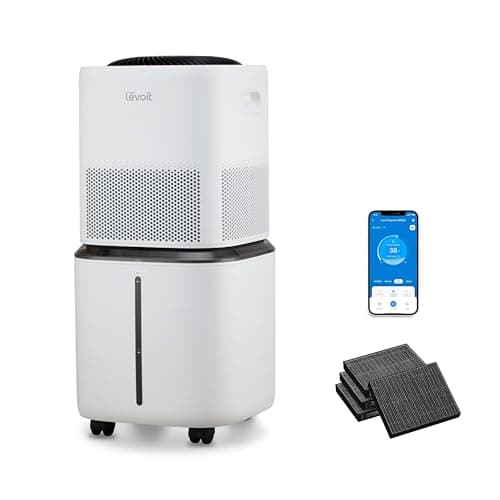 Top pick: Levoit Superior 6000S
#ad Price as of October 18, 2026, from Amazon. Prices change. How we make money.
See the picksguide
Are Humidifiers Worth It?
The reading that decides it, the maintenance cost nobody quotes, and when to skip it.
Read the guideBest for Large Rooms
Best Humidifiers for Large Rooms
Large-room sizing on sustained output rather than square-footage claims, with three verified picks.
$249.99 - View on AmazonTop pick: Levoit Superior 6000S#ad Price as of October 18, 2026, from Amazon. Prices change. How we make money.
See the pickscomparison
Air Purifier and Humidifier Combos
What you give up to save the footprint - and the two situations where a combo is genuinely the right buy.
$119.99 - View on Amazon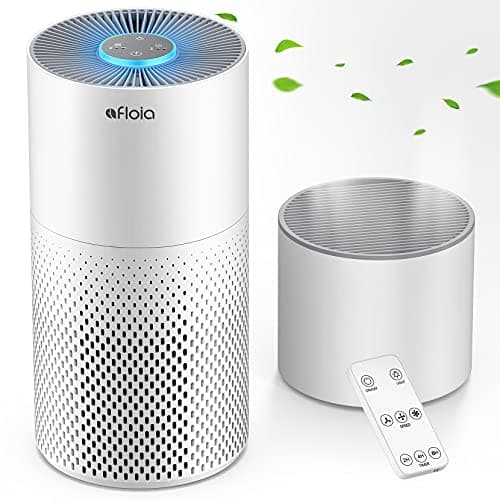 Top pick: Afloia 2-in-1 Air Purifier and Humidifier
#ad Price as of October 18, 2026, from Amazon. Prices change. How we make money.
See the picksreview
Levoit Superior 6000S Review
A specification-led review: what 6 gallons at 30 W actually buys, and the certification gap behind every humidifier spec.
Read the guide
guide
Can You Put Vicks or Essential Oils in a Humidifier?
What the manufacturer's manual actually says about additives, and the two ways to get menthol without ruining the machine.
Read the guidesymptom
Dry Throat & a Cough at Night
Whether a dry room is behind a night cough or a scratchy throat, what the evidence actually supports, and what to buy if it is.
Read the guideguide
Will a Humidifier Help Dry Eyes?
The AAO recommends adding moisture to the air in winter. What a humidifier changes for dry eyes, and what it cannot.
Read the guide
What actually works here, in order
Sealing drafts comes first, and it is free. Every cubic foot of cold air that leaks in has to be heated, and heating it is what dries it. Gaps around window frames, under external doors, at loft hatches and letterboxes are where a dry house is manufactured. Nobody sells this fix, which is why it appears nowhere on a typical humidifier roundup and first on ours.
Second, stop exporting the moisture you already have. Running a bathroom extractor on a long timer or a kitchen hood through an entire meal sends out moisture that in winter you would rather keep. Clear the steam and stop.
Third, and only then, add moisture deliberately. When you get there, the type of humidifier matters more than the brand. Evaporative wick units self-limit: as a room approaches its capacity, evaporation slows on its own, so they physically cannot push a bedroom into dust-mite territory overnight. Ultrasonic units have no such limit and aerosolize whatever minerals are in your water as white dust. Warm mist units boil the water, which is hygienically useful and expensive - a 280 W unit runs about $225 a year at twelve hours a day, against roughly $24 for a 30 W evaporative one.
The failure mode this section exists to prevent
Running a humidifier in a house that was not dry. Morning congestion is produced by both ends of the humidity scale: dry air irritates nasal tissue, and damp air above 50% grows the dust mites that produce identical symptoms. Someone with the second problem who buys a humidifier makes it worse, concludes the unit is too small, and buys a bigger one.
A hygrometer costs less than a replacement filter and prevents that entire loop. It is the recommendation we make most often on this site and the one we earn least from.
The other recurring failure is neglect. A humidifier is a tank of standing water at room temperature, and the EPA notes that wet materials need to dry within 24 to 48 hours to avoid mold growth - which a tank never does unless you empty it. If daily emptying is not realistic for you, that is worth knowing before you buy rather than after: humidifier mold and cleaning is deliberately blunt about it.